
-
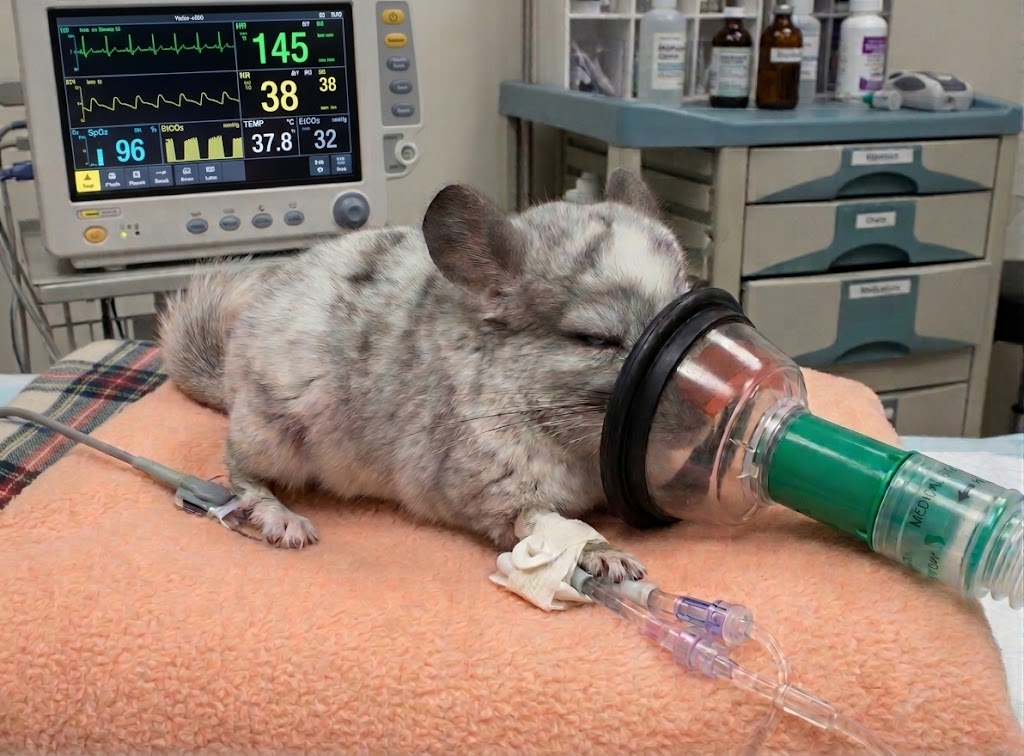
When a veterinary journal uses the phrase “first reported case,” I pay attention. That language means something nobody has seen before just got documented, and in the world of exotic animal medicine, that matters. A recently published case report has identified Streptococcus canis as the cause of both pneumonia and pyothorax in a pet chinchilla.…
-

A glimpse inside GCA’s December research focus Over the past year, many people who care deeply about chinchillas have faced something unsettling. Bacterial infections like Strep zoo and Pseudomonas have appeared with little warning, progressed quickly, and in some cases resisted standard treatment. For a prey species that hides illness until it cannot anymore, this…
-

Eye infections in chinchillas can develop quickly and become serious if left untreated. These infections can cause discomfort, pain, and even vision loss. Understanding the common causes, early symptoms, and prevention tips can help keep your chinchilla healthy. What Causes Eye Infections? Chinchilla eye infections can result from bacteria introduced through various sources, including dust,…
-

Chinchillas are not only known for their dense fur and gentle demeanor but also for their highly developed vibrissal sensory system—a sophisticated network of whiskers that plays a crucial role in their survival. Unlike regular hair, chinchilla whiskers, or vibrissae, are deeply embedded in the facial region and are connected to a specialized set of…
-

The Royal Persian Angora (RPA) chinchilla is a long-haired mutation that originated from various long-haired chinchilla lines observed in North America during the mid-20th century. Early efforts by breeders such as Dr. Caraway in Texas and a Canadian breeder faced challenges due to issues with fur color and texture. However, a breakthrough occurred in 1966…
-
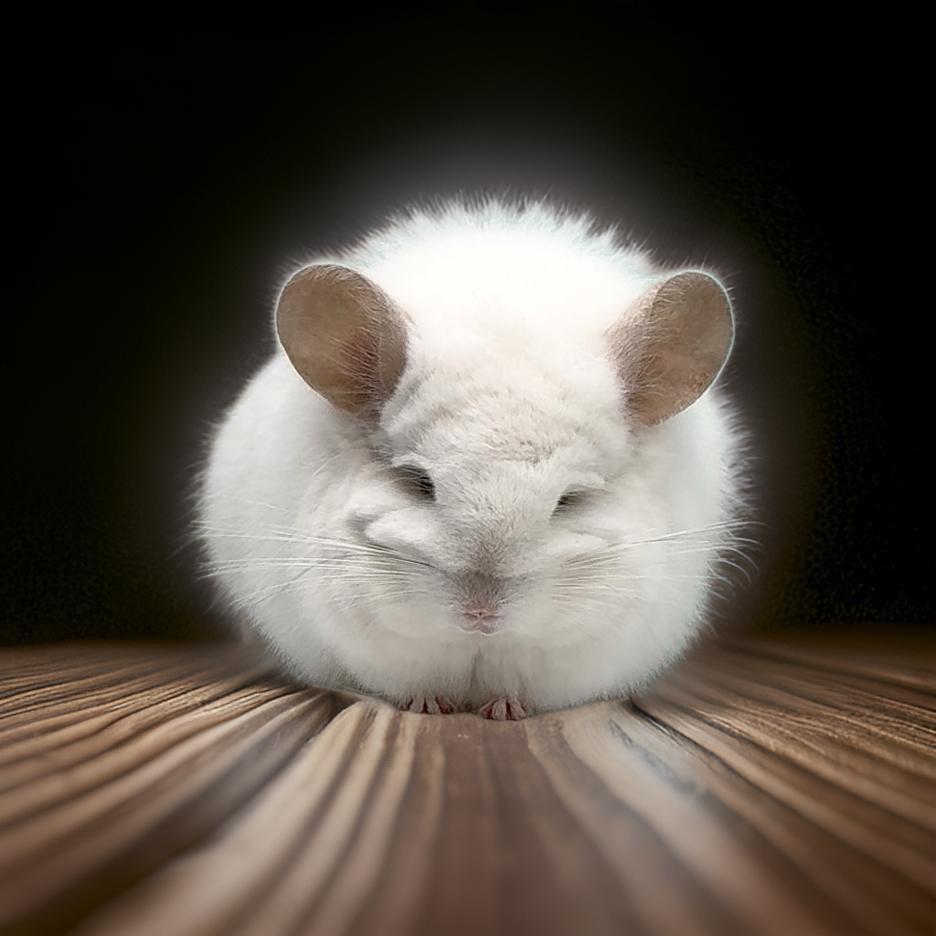
People are always quick to place chinchillas into a neat little category—either crepuscular or nocturnal. But the reality isn’t that black and white. In fact, chinchillas are both, and their activity levels are strongly influenced by their environment. The Science Behind Chinchilla Activity Patterns Chinchillas are naturally nocturnal, and both research and their anatomy support…
-

Welcoming a chinchilla into your home is an exciting experience, but it’s important to remember that these small creatures require time and patience to build trust. Chinchillas, by nature, are prey animals and can be easily startled or stressed. Establishing a bond with them involves understanding their behaviors, providing a secure environment, and gradually earning…
-

For a Century now, chinchilla breeders and pet owners alike have referred to the classic, gray-colored chinchilla as the Standard Chinchilla. It was the original domestic chinchilla, the foundation of all color mutations, and yet, despite its importance, the name “Standard” never quite fit. The word itself led to confusion—was it a quality ranking? Did…
-

Fungal infections are one of the most common skin issues affecting chinchillas, often caused by ringworm species. Symptoms like hair loss, flaky skin, and, in rare cases, scabbing can be alarming for chinchilla owners. So, why do these infections happen, and what can you do to prevent them? For mild cases, many chinchilla owners use…
-

Fifteen years ago, in the midst of a toxic relationship and a hectic life as a workaholic mother of three, I stumbled upon a profound connection that would change my life forever. It happened in an ordinary pet store, where my eyes met those of a small, frightened chinchilla. This was not just any chinchilla;…